
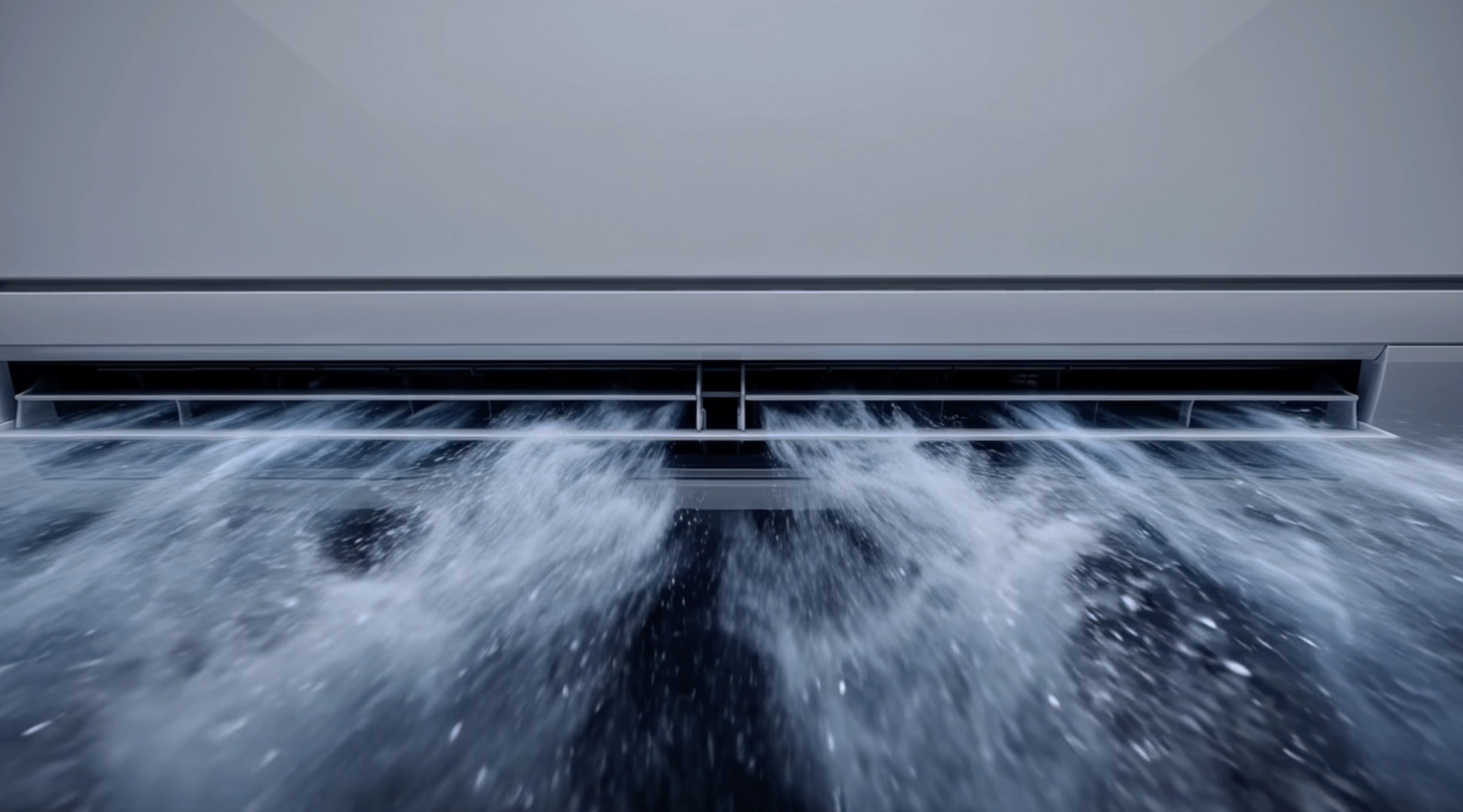
cool in summer warm in winter
how ac works
Air conditioning doesn’t make cold. It moves heat out of your home in summer and brings it in during winter. Tap each part below to see how, then read the questions to ask any installer before you buy
what you need to know
Whoever you decide to use, make sure you, be sure to ask any installer these questions before you agree a quote. A properly certified installer will answer every one.
-
Is your company F-Gas certified? Which body, and what's the number?
"Yes, with REFCOM (or Quidos, BESCA and others), number …" Check it on that body's online register.
Does the engineer working in my home hold their own F-Gas certificate?
"Yes, here's their card." Both the company and the engineer must be certified.
Who does the electrical work, and will I get a certificate?
"A qualified electrician. You'll get an electrical certificate."
Are you insured?
"Yes, public liability insurance. Here's a copy."
Are you an approved installer for the brand you're fitting?
"Yes." Some manufacturers only give the full warranty when an approved installer fits the system.
-
Will you survey my home before quoting?
"Yes, in person." Be wary of a firm price over the phone.
How have you worked out the size of each unit?
"From each room's size, windows, sun, insulation and use."
Which refrigerant does it use?
"R32" or another low-impact refrigerant. New single splits can no longer use R410A.
Where will the outdoor unit go, and will it disturb anyone?
A clear answer on position, fixing and noise, away from bedrooms and neighbours' windows.
Do I need any permissions?
"We'll check." Listed buildings, conservation areas, flats and leasehold homes often need consent.
Where will the pipes run, and where will the water drain?
A planned route through one neat hole, finished in trunking, with a proper drain or condensate pump.
-
How do you join the copper pipes?
"Flared or brazed. When we braze, nitrogen flows through the pipe to keep it clean inside."
Do you pressure test before adding refrigerant?
"Yes, with nitrogen, to prove there are no leaks."
Do you vacuum the pipework, and how do you check it?
"Yes, and we measure it with a micron gauge."
How do you add refrigerant?
"Weighed on scales and recorded."
Do you check for leaks once it's running?
"Yes, every joint."
-
A commissioning record: the readings taken at start-up
A label on the system showing the refrigerant, how much it holds and its climate impact (a legal requirement)
The electrical certificate
The warranty registered in your name
A demonstration of the controls and how to clean the filters
An offer of an annual service
-
A quote without a survey
No certificate number, or one that isn't on the register
"It's pre-charged, so no vacuum needed"
R410A in a new single split
No paperwork at the end
want to know more ?
download our free ebook


or start a WhatsApp chat
Get a faster response, we’re
normally online